EKO Design System — unifying vision with a technical foundation
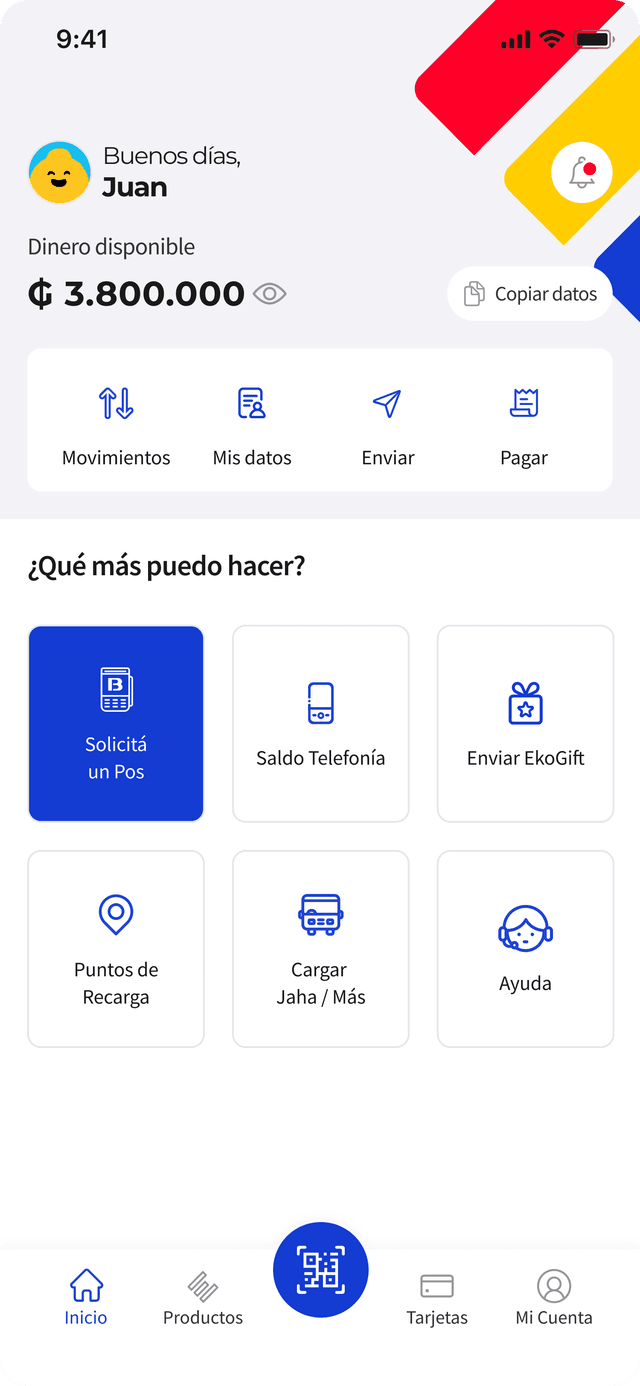
We created and implemented a comprehensive design system within Figma for the EKO Wallet application, aligning the product's visual and technical foundation with its current digital vision — moving from disparate, manually managed styles to a unified, token-driven component architecture.
The previous lack of a cohesive system created real inefficiencies for the whole product team: style inconsistencies, redundant component creation, and slow feature development. Implementing light and dark modes would have been impossible without a foundational system — the fragmented approach was producing a brittle codebase and an inconsistent user experience. For a growing product, scalability, consistency, and efficiency needed to become design outcomes, not afterthoughts.
What changed
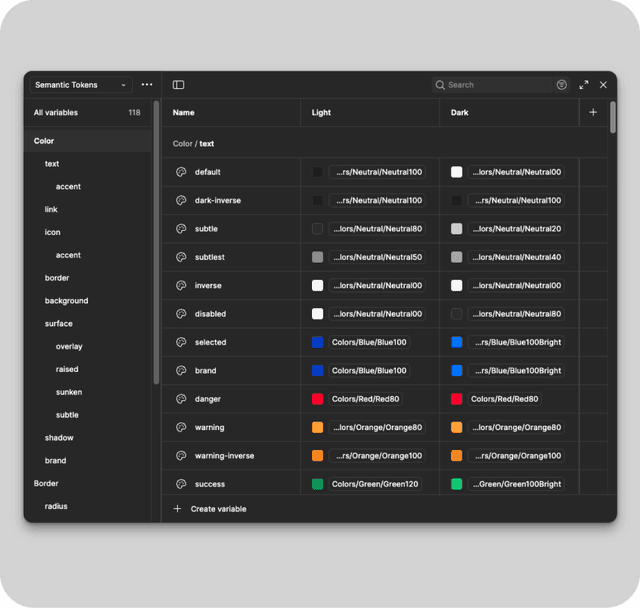
Design token architecture — a complete set of tokens (color, typography, spacing, radius), creating a layer of abstraction linking design decisions to code as a single source of truth.
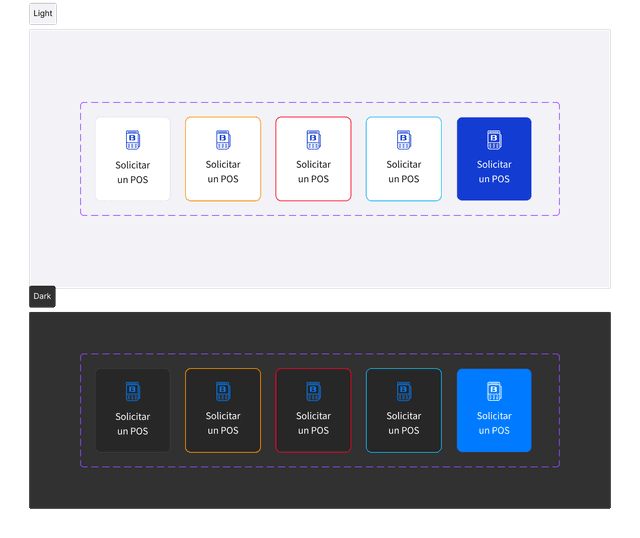
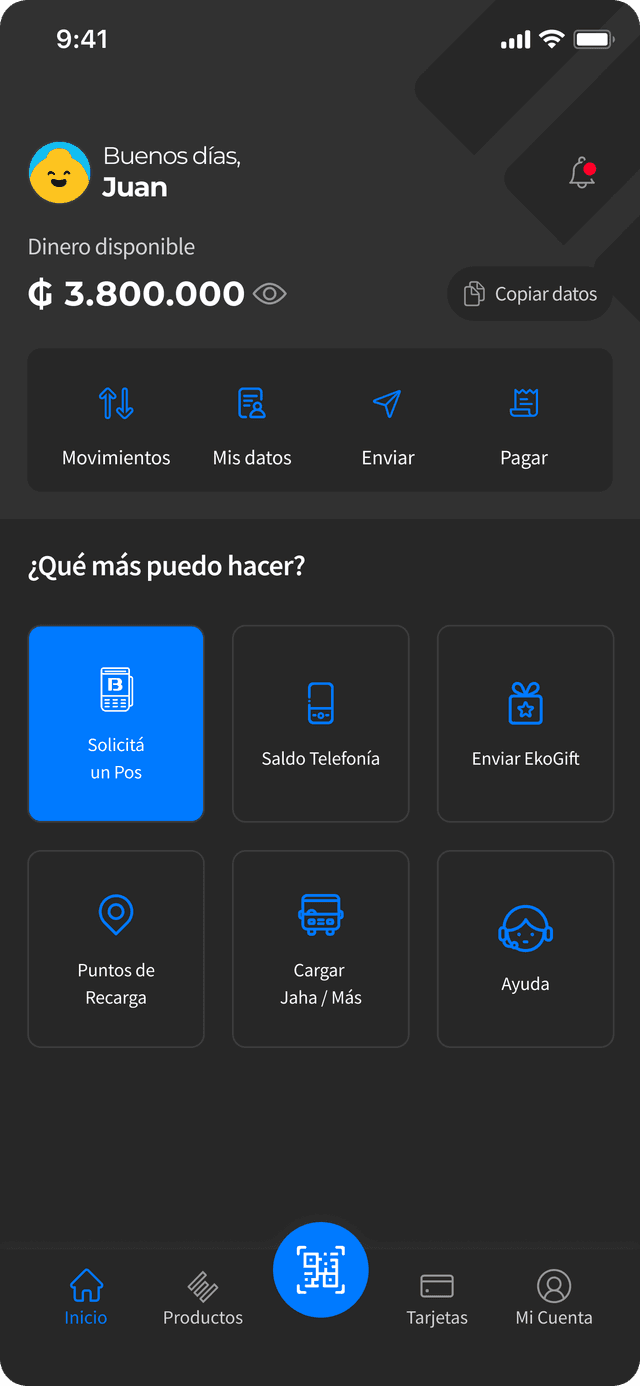
System refactoring for theme support — every core component rebuilt on tokens, so switching between light and dark mode is a token mapping, not a redesign.
Component modularity & consistency — rebuilt for reusability, reducing the total number of components while increasing their flexibility.
Accessibility & user preference — the token architecture directly enabled a robust dark mode, comfortable in low-light environments.
Improved collaboration & efficiency — a dramatically smoother engineering hand-off, faster development cycles, and less technical debt.